Nov
Uncategorized
Psychedelic Mushrooms Benefits
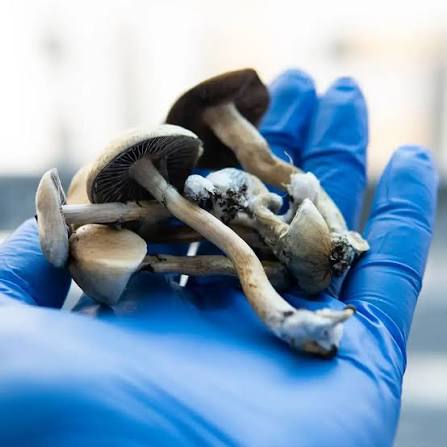
Psychedelic Mushrooms Benefits, The topic of psychedelic mushrooms benefits has attracted increasing attention among researchers, healthcare professionals, and people interested in mental health and natural compounds. Psychedelic mushrooms, commonly known as magic mushrooms, contain naturally occurring substances called psilocybin and psilocin. These compounds can affect brain activity, perception, emotions, and thought patterns.
In recent years, scientific research has explored the potential therapeutic applications of psilocybin, particularly in mental health treatment. Although the findings are promising, psychedelic mushrooms are not risk-free, and further research is necessary to understand their long-term effects.
1. Potential Mental Health Benefits
One of the most widely researched areas involving psychedelic mushrooms is mental health. Scientists are investigating whether psilocybin-assisted therapy could help people experiencing depression, anxiety, and other psychological challenges.
Some clinical studies suggest that psilocybin, when administered in carefully controlled medical settings with professional psychological support, may help reduce certain symptoms of depression.
However, these findings do not mean that independently consuming psychedelic mushrooms is a safe or effective treatment.
2. Understanding Emotional Well-Being
Researchers are also studying how psilocybin may influence emotional processing. Some participants in supervised clinical trials have reported changes in their emotional experiences, including increased feelings of connection, openness, and emotional awareness.
These experiences may be relevant to psychotherapy, but individual responses vary significantly.
3. Research on Anxiety and Depression
Psilocybin-assisted therapy has received attention for its potential role in treating depression and anxiety, including anxiety associated with serious illnesses.
Researchers believe that changes in brain activity and psychological flexibility may contribute to the effects observed in some clinical studies.
Nevertheless, psilocybin remains an experimental treatment in many countries and should not replace prescribed medication or professional medical care.
4. Scientific Research and Brain Activity
Psilocybin interacts with serotonin receptors in the brain, particularly the 5-HT2A receptor. This interaction can temporarily alter perception, cognition, and the way different brain regions communicate.
Scientists are examining whether these temporary changes might help people develop different perspectives on difficult emotions and thought patterns.
Research in this area is ongoing, and scientists have not established all the mechanisms responsible for the observed effects.
5. Creativity and New Perspectives
Some people describe psychedelic experiences as involving unusual thoughts, vivid imagination, or different perspectives. These experiences have generated scientific interest in creativity and cognitive flexibility.
However, there is not enough reliable evidence to conclude that psychedelic mushrooms consistently improve creativity, memory, intelligence, or everyday productivity.
6. Possible Risks and Side Effects
Understanding psychedelic mushrooms benefits also requires understanding their potential risks.
Possible adverse effects include:
- Anxiety, panic, or intense fear.
- Confusion and disorientation.
- Nausea and dizziness.
- Increased heart rate and blood pressure.
- Distorted perception and impaired judgment.
- Psychological distress or frightening experiences.
In some individuals, psychedelic substances may trigger serious psychiatric problems, particularly those with certain mental health vulnerabilities.
Accidental consumption of poisonous mushrooms can also cause severe illness or death because some toxic species resemble psychedelic varieties.
7. The Importance of Medical Supervision
Scientific research involving psilocybin generally takes place under carefully controlled conditions. Participants undergo screening, receive professional supervision, and may receive psychological support before and after treatment.
These safeguards are important because psychedelic experiences can be unpredictable and psychologically challenging.
Anyone experiencing depression, anxiety, or another mental health concern should consult a qualified healthcare professional rather than attempting self-treatment with psychedelic mushrooms.
Conclusion
The growing interest in psychedelic mushrooms benefits reflects an important area of modern scientific research. Early clinical findings suggest that psilocybin-assisted therapy may have potential applications in treating certain mental health conditions, especially depression and anxiety.
