Nov
Uncategorized
Psychedelic Mushroom Kits
Psychedelic Mushroom Kits, The topic of psychedelic mushroom kits has attracted increasing attention as interest in psychedelic research, mental wellness, and alternative approaches to understanding human consciousness continues to grow. These kits are commonly discussed in connection with mushrooms containing psilocybin, a naturally occurring psychedelic compound that can affect perception, mood, emotions, and thought patterns.
Before exploring this subject, it is important to understand what these kits represent, the science behind psychedelic mushrooms, and the legal and safety considerations associated with them.
What Are Psychedelic Mushroom Kits?
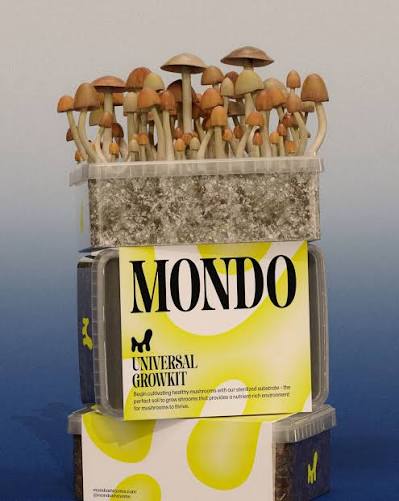
Psychedelic mushroom kits are products marketed in connection with the cultivation or study of psychedelic mushroom species. Depending on the product and jurisdiction, they may contain different materials or components associated with mushroom research.
These products are not ordinary culinary mushroom-growing products. Psychedelic mushroom species can contain controlled psychoactive compounds, making their possession, sale, or cultivation subject to specific laws.
Understanding Psilocybin Mushrooms
Psilocybin is a naturally occurring compound found in several mushroom species. After consumption, the body converts psilocybin into psilocin, which interacts with serotonin receptors in the brain.
Researchers have been studying these compounds to better understand their potential effects on:
- Human perception and consciousness.
- Emotional processing and mood.
- Brain activity and neural connections.
- Psychological well-being.
- Certain mental health conditions under professional supervision.
Scientific research remains ongoing, and promising findings should not be interpreted as proof that psychedelic mushrooms are safe or effective treatments for everyone.
Why Is There Growing Interest?
Interest in psychedelic mushrooms has increased for several reasons.
1. Scientific Research: Researchers are investigating the potential therapeutic applications of psilocybin in controlled clinical environments.
2. Mental Health Discussions: Psychedelic-assisted therapy has become an important subject in discussions about emerging mental health treatments.
3. Education and Awareness: More people are interested in understanding the history, chemistry, cultural significance, and possible effects of psychedelic substances.
4. Changing Regulations: Some countries and regions are reviewing their policies concerning psychedelic substances, although laws differ considerably.
Safety Considerations
Psychedelic mushrooms can produce unpredictable psychological and physical effects. Potential risks include anxiety, panic, confusion, impaired judgment, nausea, and increased heart rate. Some individuals may experience severe psychological reactions.
Additional concerns include:
- Misidentification of mushroom species.
- Accidental exposure to toxic mushrooms.
- Unknown product contents or contamination.
- Interactions with medications or other substances.
- Increased psychological risks for vulnerable individuals.
Anyone researching psychedelic substances should prioritize reliable scientific information and professional medical guidance.
Legal Considerations
The legality of psychedelic mushroom kits varies by country and region. Some jurisdictions strictly regulate psilocybin-containing mushrooms and related materials, while others have introduced limited exemptions or specific research frameworks.
Before purchasing, possessing, transporting, or cultivating any related product, individuals should check applicable local laws and regulations. In India, psilocybin-related legal questions can involve the Narcotic Drugs and Psychotropic Substances Act, 1985, and require careful legal assessment.
Conclusion
Psychedelic mushroom kits are part of a broader conversation about psychedelic science, mushroom research, and changing public attitudes toward psychoactive substances. Understanding their background requires more than simply knowing what the products are marketed for. Scientific evidence, potential health risks, product safety, and local legal requirements are all essential considerations.
