Nov
Uncategorized
Mushroom Psychedelic
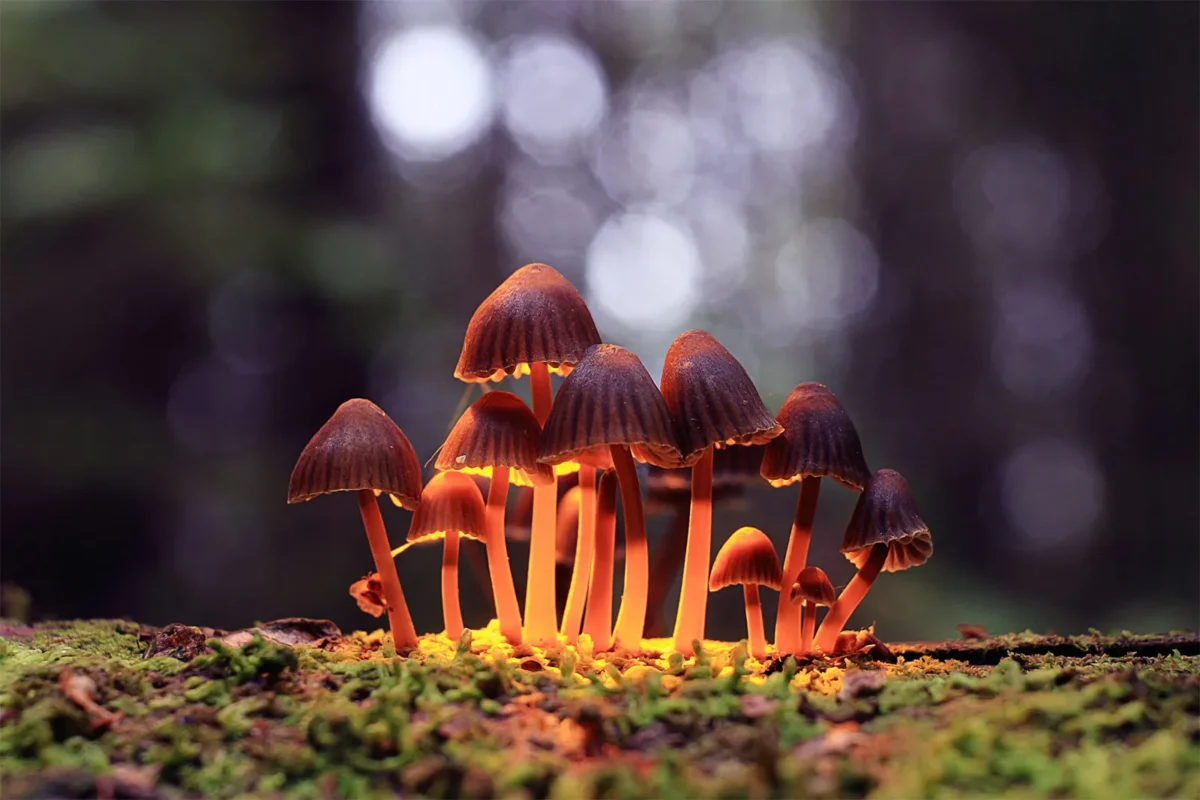
Mushroom Psychedelic, The term mushroom psychedelic refers to certain naturally occurring mushrooms that contain psychoactive compounds capable of changing perception, mood, thoughts, and sensory experiences. These mushrooms have attracted attention throughout history because of their traditional cultural uses and their connection to modern scientific research into mental health and human consciousness.
In recent years, psychedelic mushrooms have become an increasingly discussed topic in scientific communities, wellness conversations, and educational discussions. Understanding their properties, potential effects, and risks is important for anyone interested in learning more about this fascinating subject.
What Is a Mushroom Psychedelic?
A mushroom psychedelic generally refers to mushrooms containing compounds such as psilocybin and psilocin. These substances interact with serotonin receptors in the brain and can produce changes in perception, emotional responses, and thought patterns.
Psilocybin is converted into psilocin in the body. Psilocin is primarily responsible for the psychedelic effects associated with these mushrooms.
Different mushroom species contain different concentrations of active compounds, making their effects unpredictable.
How Does It Affect the Brain?
Research suggests that psychedelic compounds influence communication between different areas of the brain. They interact particularly with serotonin receptors, which are involved in regulating mood, cognition, and perception.
Possible short-term experiences include:
- Changes in visual and sensory perception.
- Altered feelings of time and space.
- Intense emotional experiences.
- Changes in thought patterns.
- Increased sensitivity to environmental surroundings.
- Unusual associations between ideas and memories.
The intensity and nature of these experiences can vary considerably between individuals.
Potential Benefits of Psychedelic Research
Scientists are investigating psilocybin for its possible applications in mental healthcare. Some clinical studies have explored its potential role in addressing conditions such as depression, anxiety, and certain forms of psychological distress.
However, these findings are still developing, and psilocybin is not an established self-treatment.
Research involving psychedelic substances generally takes place in carefully controlled clinical environments with professional supervision.
Possible Risks and Side Effects
Although mushroom psychedelic substances are naturally occurring, natural origin does not automatically mean they are safe.
Potential adverse effects include:
- Anxiety and panic.
- Confusion and disorientation.
- Nausea and dizziness.
- Increased heart rate and blood pressure.
- Disturbing hallucinations.
- Impaired judgment and coordination.
- Psychological distress that may continue after the experience.
People with certain psychiatric vulnerabilities may face additional risks. There is also a serious danger of accidentally consuming poisonous mushrooms that resemble psychedelic varieties.
The Importance of Education and Safety
Education is essential when discussing psychedelic mushrooms. Accurate information helps people understand the difference between traditional use, scientific investigation, and unsupported commercial claims.
It is also important to understand local laws before considering any involvement with psychoactive substances. Legal restrictions differ between countries and regions.
People experiencing psychological difficulties should seek advice from qualified healthcare professionals rather than attempting unsupervised psychedelic treatments.
Conclusion
The subject of mushroom psychedelic continues to attract attention because of its historical significance, unusual effects on human perception, and potential applications in scientific research.
