Nov
Uncategorized
Growing Psychedelic Mushrooms
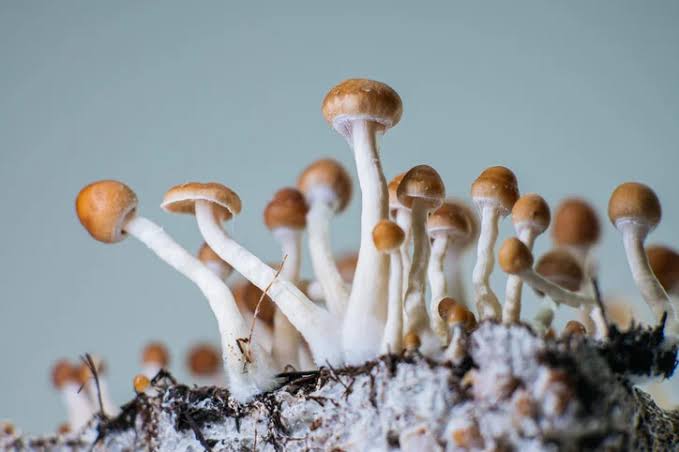
Growing Psychedelic Mushrooms, Growing psychedelic mushrooms is a subject that has attracted attention from researchers, scientists, mycology enthusiasts, and people interested in the fascinating world of fungi. Psychedelic mushrooms are known for containing naturally occurring compounds such as psilocybin and psilocin, which can influence human perception, mood, and consciousness. These mushrooms have a long history of cultural and traditional significance, while modern scientific research continues to investigate their potential effects.
Understanding the topic of growing psychedelic mushrooms requires knowledge of fungal biology, environmental conditions, legal regulations, and responsible scientific research. This article explores the subject from an educational and scientific perspective.
Understanding Psychedelic Mushrooms
Psychedelic mushrooms are a group of fungi that naturally contain psychoactive compounds. Psilocybin is the primary compound found in many recognized species. After ingestion, the body converts psilocybin into psilocin, which interacts with serotonin receptors in the brain.
Some commonly discussed species include:
- Psilocybe cubensis
- Psilocybe semilanceata
- Psilocybe cyanescens
- Psilocybe azurescens
Different species have different physical characteristics, habitats, and chemical compositions. Correct identification is particularly important because some poisonous mushrooms can look similar to psychoactive varieties.
The Science Behind Mushroom Growth
Fungi are fascinating organisms that grow differently from plants. Instead of producing seeds, mushrooms reproduce through microscopic spores. Their main body consists of a network of thread-like structures called mycelium.
Several environmental factors influence fungal development:
1. Temperature: Different fungal species have different temperature preferences for growth and development.
2. Humidity: Moisture plays an important role in fungal biology and the development of mushroom structures.
3. Air circulation: Gas exchange is an essential part of fungal growth and metabolism.
4. Substrate: Fungi obtain nutrients from organic materials in their environment.
5. Contamination prevention: Competing microorganisms can affect fungal development and laboratory research.
These factors are important subjects in general mycology and controlled fungal research.
Research and Scientific Interest
Growing psychedelic mushrooms has become a topic of discussion because of increasing scientific interest in psilocybin. Researchers are studying its possible applications in mental health research, particularly in controlled clinical settings.
Scientific investigations explore areas such as:
- Psilocybin and brain activity.
- The relationship between serotonin receptors and perception.
- Psychological responses to psychedelic substances.
- Potential therapeutic applications.
- The importance of controlled clinical environments.
However, research findings should not be interpreted as proof that psychedelic mushrooms are safe or effective treatments for everyone.
Legal Considerations
Before exploring the subject of growing psychedelic mushrooms, it is important to understand the applicable laws.
The legal status of psilocybin-containing mushrooms varies considerably between countries and jurisdictions. In India, psilocybin and psilocin are controlled substances under applicable narcotics legislation, and activities involving them may create legal risks.
Anyone interested in mycology should research local regulations and consider studying legal, non-psychoactive mushroom species instead.
Safety and Responsible Mycology
Mushroom identification and cultivation require scientific knowledge and caution. Wild mushrooms should never be consumed based on appearance alone because poisonous species can cause severe illness or death.
Responsible mycology emphasizes:
- Accurate species identification.
- Laboratory hygiene and contamination awareness.
- Understanding fungal biology.
- Compliance with applicable laws.
- Avoiding unverified health claims.
Conclusion
Growing psychedelic mushrooms is a complex topic involving fungal science, environmental biology, chemistry, and legal considerations. Although these fungi have attracted significant scientific and cultural interest, responsible education is essential.
