Nov
Uncategorized
Does Psychedelic Mushrooms Go Bad
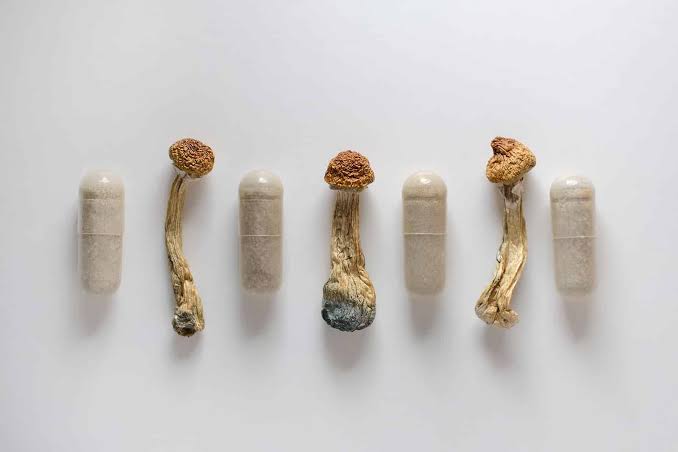
Does Psychedelic Mushrooms Go Bad, Psychedelic mushrooms, commonly known as magic mushrooms, are known for their naturally occurring psychoactive compound called psilocybin. Like many other natural products, these mushrooms can deteriorate over time. This raises an important question: do psychedelic mushrooms go bad?
The short answer is yes. Psychedelic mushrooms can lose their quality, change in appearance, and develop mold or bacterial contamination. Their condition depends on factors such as moisture, temperature, exposure to air, light, and storage conditions.
In this article, we explore how psychedelic mushrooms deteriorate, what signs of spoilage to recognize, and why proper handling and safety precautions matter.
1. Do Psychedelic Mushrooms Have an Expiration Date?
Yes, psychedelic mushrooms can deteriorate over time. However, there is no universal expiration date because their condition depends on whether they are fresh or dried and how they have been handled.
Fresh mushrooms contain considerable moisture, making them particularly vulnerable to microbial growth and decomposition. Dried mushrooms contain less moisture, but they are not immune to deterioration. Exposure to humidity can introduce conditions that encourage mold growth.
It is important to remember that an older mushroom is not necessarily safe simply because it looks normal.
2. What Happens When Psychedelic Mushrooms Go Bad?
When psychedelic mushrooms deteriorate, several changes may occur.
Common signs include:
- Mold growth: Visible fuzzy or powdery patches may indicate fungal contamination.
- Unusual smell: A sour, rotten, or unpleasant odor can suggest spoilage.
- Texture changes: Mushrooms may become unusually slimy, soft, or damp.
- Discoloration: Unexpected changes in appearance may indicate deterioration or contamination.
- Structural breakdown: Fresh mushrooms may become mushy or show signs of decomposition.
Not every color change indicates spoilage, but appearance alone cannot establish whether a mushroom is safe to consume.
3. Can Dried Psychedelic Mushrooms Go Bad?
Yes. Drying reduces moisture, which can slow microbial growth, but it does not make mushrooms permanently shelf-stable.
Dried mushrooms may deteriorate if they are exposed to moisture, contaminated during handling, or stored in unsuitable conditions.
A particularly important concern is mold. Even a small amount of visible mold can indicate contamination beyond the area that is immediately noticeable.
Do not consume mushrooms that show signs of mold, unusual dampness, or suspected contamination.
4. What Factors Affect Mushroom Quality?
Several environmental factors contribute to mushroom deterioration.
Moisture: Excess moisture encourages mold and microbial growth.
Temperature: Heat can accelerate chemical degradation and affect product quality.
Air exposure: Oxygen can contribute to oxidation and the gradual breakdown of certain compounds.
Light exposure: Prolonged exposure to light can contribute to chemical degradation.
Contamination: Unclean handling and contact with contaminated surfaces can introduce microorganisms.
These factors can affect both the physical condition and chemical composition of mushrooms.
5. Can Old Psychedelic Mushrooms Still Be Dangerous?
Yes. Old mushrooms can present health risks, particularly when they have developed mold or bacterial contamination.
Eating contaminated mushrooms may cause symptoms such as:
- Nausea and vomiting
- Abdominal discomfort
- Diarrhea
- Allergic reactions
- Other symptoms associated with foodborne illness
Additionally, degraded or unidentified mushrooms may have unpredictable chemical contents and effects.
Never assume that mushrooms are safe based on their age, smell, or appearance alone.
6. Does Psilocybin Lose Its Potency Over Time?
Psilocybin and its related compounds can undergo chemical degradation. Environmental conditions such as heat, oxygen, light, and moisture may influence this process.
As a result, older mushrooms may have a different chemical composition from their original condition.
However, visual inspection cannot determine the concentration or potency of psilocybin. There is also no reliable way to predict an individual’s response based on the apparent age of a mushroom.
7. What Should You Do If You Find Spoiled Mushrooms?
If you suspect that psychedelic mushrooms have spoiled, the safest decision is not to consume them.
Consider these precautions:
- Avoid tasting mushrooms to check whether they are spoiled.
- Do not attempt to remove visible mold and consume the remaining material.
- Avoid handling visibly contaminated mushrooms unnecessarily.
- Keep potentially contaminated material away from food and children.
- Dispose of questionable mushrooms safely.
If someone consumes suspected contaminated mushrooms and develops severe vomiting, difficulty breathing, confusion, or other concerning symptoms, seek medical attention immediately.
8. Frequently Asked Questions
Q1. Do psychedelic mushrooms go bad?
Yes. Fresh and dried psychedelic mushrooms can both deteriorate. Moisture, heat, oxygen, light, and contamination can affect their condition.
Q2. Can psychedelic mushrooms develop mold?
Yes. Mushrooms can develop mold, especially when exposed to moisture. Moldy mushrooms should not be consumed.
Q3. Do dried psychedelic mushrooms last forever?
No. Drying reduces moisture but does not prevent all forms of deterioration or contamination.
Q4. Can you identify spoiled mushrooms by smell?
An unpleasant or unusual odor can indicate spoilage, but a normal smell does not guarantee safety.
Q5. Does psilocybin lose its strength over time?
Yes. Psilocybin can chemically degrade under certain environmental conditions, although the extent of degradation cannot be determined through visual inspection.
Conclusion
So, do psychedelic mushrooms go bad? Absolutely. Both fresh and dried mushrooms can deteriorate, lose chemical stability, and become contaminated over time.
