Nov
Uncategorized
Magic Mushroom Psychedelic
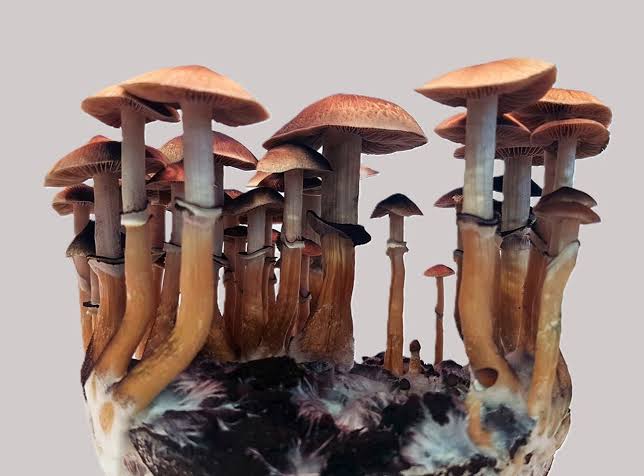
Magic Mushroom Psychedelic, The term magic mushroom psychedelic refers to certain types of mushrooms that naturally contain psychoactive compounds, particularly psilocybin and psilocin. These compounds can affect the brain’s perception, emotions, thoughts, and sensory experiences. Magic mushrooms have attracted attention throughout history because of their traditional cultural uses and their growing importance in scientific research.
Today, researchers are studying psychedelic substances to better understand consciousness, mental health, and the complex relationship between the brain and human emotions.
What Is a Magic Mushroom Psychedelic?
A magic mushroom psychedelic is a naturally occurring psychedelic substance found in certain mushroom species. Psilocybin is the primary compound, which the body converts into psilocin. Psilocin interacts with serotonin receptors in the brain, particularly the 5-HT2A receptor.
This interaction can temporarily change how people experience their surroundings, process information, and interpret emotions.
Commonly reported experiences include:
- Changes in visual perception.
- Altered awareness of time and space.
- Intensified emotions.
- Unusual thought patterns.
- Changes in sensory experiences.
- Deep personal or philosophical reflections.
The intensity and duration of these effects can vary significantly.
The Science Behind Psychedelic Mushrooms
Scientific interest in psychedelic mushrooms has increased over recent years. Researchers are investigating how psilocybin affects communication between different brain regions.
Studies suggest that psilocybin temporarily changes patterns of brain connectivity and activity. Scientists are exploring whether these changes could help explain certain psychological effects and potential therapeutic applications.
However, research is ongoing, and more evidence is needed before broad medical conclusions can be made.
Potential Therapeutic Research
One important area of research involves the possible use of psilocybin-assisted therapy for certain mental health conditions.
Researchers are investigating its potential relationship with:
- Depression and treatment-resistant depression.
- Anxiety associated with serious illnesses.
- Certain substance-use disorders.
- Emotional processing and psychological well-being.
These studies generally involve carefully controlled clinical environments, medical screening, and professional psychological support. Psychedelic mushrooms are not an established replacement for approved mental health treatments.
Understanding the Risks and Side Effects
Although magic mushroom psychedelic experiences are sometimes described positively, they can also involve significant risks.
Possible adverse effects include:
- Anxiety and panic.
- Confusion and disorientation.
- Increased heart rate and blood pressure.
- Nausea and dizziness.
- Paranoia or frightening experiences.
- Impaired judgment and coordination.
Some individuals may experience prolonged psychological distress. People with a personal or family history of psychotic disorders may face additional risks.
There is also a serious danger of accidentally consuming poisonous mushrooms that resemble psychedelic varieties.
Legal Considerations
The legal status of psilocybin-containing mushrooms differs between countries and regions. Some jurisdictions prohibit their possession, sale, cultivation, or distribution, while others have introduced limited research or regulated therapeutic frameworks.
Anyone researching magic mushroom psychedelic substances should understand the laws applicable in their location.
The Future of Psychedelic Research
The future of psychedelic science may bring important discoveries about brain function, emotional processing, and psychiatric treatment.
Scientists continue examining how psilocybin interacts with neural networks and whether supervised psychedelic-assisted therapy can provide meaningful benefits for selected patients.
Further clinical trials, long-term safety studies, and regulatory evaluation will be essential.
Conclusion
The magic mushroom psychedelic topic combines natural science, neuroscience, psychology, cultural history, and modern medical research. Psilocybin has attracted considerable scientific attention because of its effects on perception and brain activity.
