Nov
Uncategorized
Psychedelic Mushrooms
Psychedelic Mushrooms, Psychedelic mushrooms have attracted attention for centuries because of their unique properties, cultural history, and effects on human perception. Commonly known as magic mushrooms, these fungi contain naturally occurring psychoactive compounds that can influence thoughts, emotions, sensory experiences, and perceptions of reality. Today, psychedelic mushrooms are an important subject of scientific research, particularly in the fields of neuroscience, psychology, and mental health.
As interest in these mushrooms continues to grow, understanding their characteristics, history, potential applications, and risks is essential.
What Are Psychedelic Mushrooms?
Psychedelic mushrooms are a group of fungi containing naturally occurring compounds, particularly psilocybin and psilocin. These substances interact with serotonin receptors in the brain and can produce changes in consciousness and sensory perception.
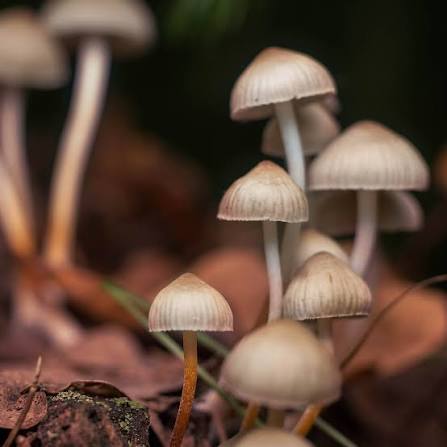
There are many species of mushrooms that contain these compounds. Their appearance, growing environments, and chemical concentrations can vary considerably.
It is important to understand that not every mushroom with an unusual appearance contains psychedelic compounds. Some poisonous mushrooms can look similar, making identification particularly dangerous without expert knowledge.
History and Cultural Background
The historical use of psychedelic mushrooms dates back thousands of years. Various Indigenous cultures incorporated certain mushroom species into traditional spiritual and ceremonial practices.
In the twentieth century, scientific interest increased as researchers began studying their chemical composition and psychological effects. Later, research restrictions limited many investigations, but renewed scientific interest has emerged in recent decades.
Today, researchers are examining their potential role in understanding consciousness, brain function, and certain mental health conditions.
How Do Psychedelic Mushrooms Affect the Brain?
The primary psychoactive compound, psilocybin, is converted into psilocin after entering the body.
Psilocin interacts with serotonin receptors, especially the 5-HT2A receptor. This interaction can influence communication between different brain regions.
Reported effects may include:
- Changes in visual and sensory perception.
- Altered feelings about time and surroundings.
- Intense emotional experiences.
- Changes in thought patterns.
- Increased introspection.
- Unusual associations between ideas and memories.
The intensity and duration of these effects can vary significantly between individuals and circumstances.
Scientific Research and Potential Applications
Scientists are investigating psilocybin-assisted therapy as a possible treatment approach for certain mental health conditions.
Research has explored its potential relevance to:
- Depression.
- Anxiety associated with serious illnesses.
- Certain forms of substance-use disorders.
- Psychological distress.
However, research findings should not be interpreted as proof that psychedelic mushrooms are safe or effective treatments for everyone. Clinical studies generally involve carefully screened participants, professional supervision, and controlled environments.
They are not a substitute for established medical treatment.
Potential Risks and Side Effects
Although psychedelic mushrooms are naturally occurring fungi, natural substances are not automatically safe.
Possible risks include:
- Anxiety and panic reactions.
- Confusion and disorientation.
- Increased heart rate and blood pressure.
- Nausea and dizziness.
- Disturbing psychological experiences.
- Impaired judgment and coordination.
- Potential worsening of certain psychiatric conditions.
Another significant danger is accidental consumption of poisonous mushrooms. Some toxic species can cause severe organ damage or death.
Anyone experiencing a suspected mushroom poisoning should seek emergency medical assistance immediately.
Legal Considerations
The legal status of psychedelic mushrooms varies between countries and jurisdictions. Some places have strict restrictions on possession, distribution, and consumption, while others have introduced limited research or therapeutic frameworks.
In India, psilocybin and psilocin are controlled under the Narcotic Drugs and Psychotropic Substances Act, 1985. Their legal status and applicable restrictions should be checked through current official legal guidance.
Responsible Education and Awareness
Learning about psychedelic mushrooms requires a balanced understanding of scientific evidence, cultural history, and potential dangers.
Reliable information should come from scientific publications, qualified healthcare professionals, and reputable educational resources. Avoid relying on unsupported claims about guaranteed benefits, completely safe experiences, or miracle treatments.
Conclusion
Psychedelic mushrooms are fascinating organisms with a long cultural history and an increasingly important place in modern scientific research. Their active compounds offer researchers opportunities to investigate consciousness, brain activity, and potential therapeutic applications.
