Nov
Uncategorized
Are Psychedelic Mushrooms Legal
Are Psychedelic Mushrooms Legal, Psychedelic mushrooms, commonly known as magic mushrooms, have attracted growing attention because of their historical, cultural, scientific, and therapeutic significance. These mushrooms contain naturally occurring psychoactive compounds, particularly psilocybin and psilocin, which can affect perception, mood, thoughts, and consciousness. However, one important question continues to arise among researchers, curious individuals, and the general public: are psychedelic mushrooms legal?
The answer depends on the country, state, and specific regulations governing controlled substances. While some places have introduced limited reforms or decriminalization policies, many countries continue to restrict the possession, sale, cultivation, and distribution of psychedelic mushrooms.
1. What Are Psychedelic Mushrooms?
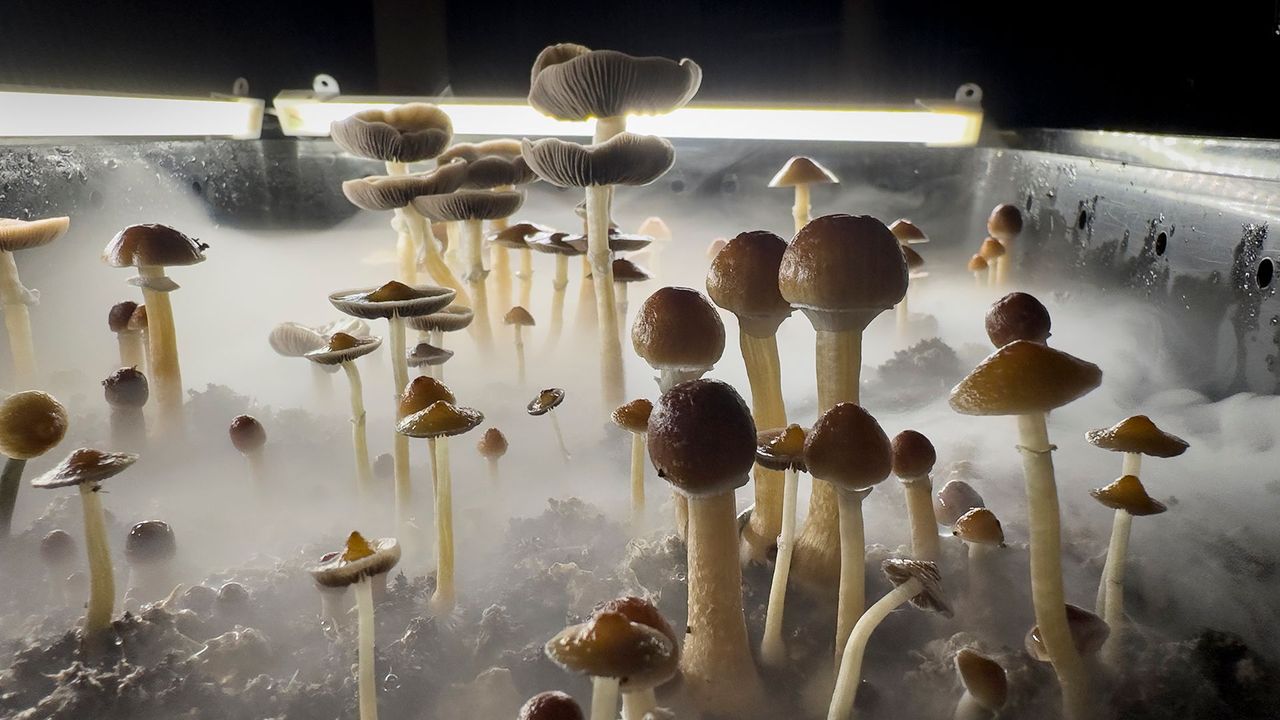
Psychedelic mushrooms are fungi containing naturally occurring compounds called psilocybin and psilocin. These substances interact with serotonin receptors in the brain and can produce changes in sensory perception, emotions, and thinking.
They are commonly discussed in scientific research because researchers are investigating their potential applications in mental health treatment. However, their effects can vary significantly depending on the individual, environment, mushroom species, and amount consumed.
Understanding what these substances are is an important first step when researching the question, are psychedelic mushrooms legal?
2. Are Psychedelic Mushrooms Legal Around the World?
There is no single worldwide law governing psychedelic mushrooms. Each country establishes its own rules regarding controlled substances.
In many countries, psilocybin and psilocin are controlled substances. This means that possessing, selling, producing, or distributing mushrooms containing these compounds may result in legal consequences.
Some jurisdictions have introduced limited exceptions for scientific research, medical investigations, or specific therapeutic programs. Other locations have adopted policies that reduce penalties for certain personal-use activities without making the substances fully legal.
Therefore, it is important to distinguish between legalization, decriminalization, and medical authorization.
3. Are Psychedelic Mushrooms Legal in the United States?
In the United States, psilocybin and psilocin are federally classified as Schedule I controlled substances under the Controlled Substances Act.
However, certain cities and states have introduced local reforms that change how some activities are prioritized or regulated.
For example, Oregon has established a regulated psilocybin services program, while Colorado has adopted measures allowing certain regulated personal-use and natural medicine activities.
These policies do not mean psychedelic mushrooms are universally legal throughout the United States. Federal restrictions and local regulations must be considered separately.
4. Are Psychedelic Mushrooms Legal in India?
In India, the legal position requires careful consideration of the Narcotic Drugs and Psychotropic Substances Act, 1985 (NDPS Act).
Psilocybin and psilocin are controlled psychotropic substances under Indian law. Activities involving these substances may therefore attract legal restrictions.
The legal classification of a mushroom itself can involve additional questions about its contents and applicable provisions. It is not safe to assume that naturally occurring mushrooms are automatically legal.
Anyone researching psychedelic mushrooms in India should consult the current NDPS Act and obtain advice from a qualified Indian legal professional.
5. Legalization vs. Decriminalization
One of the biggest sources of confusion when asking are psychedelic mushrooms legal is the difference between legalization and decriminalization.
Legalization means that an activity is permitted under specific laws and regulations. Depending on the jurisdiction, those regulations may establish rules for production, possession, distribution, or supervised use.
Decriminalization generally means that certain activities are treated as lower-priority offenses or are subject to reduced criminal penalties. It does not necessarily make possession, sales, or distribution legal.
Understanding this distinction helps prevent misunderstandings about the legal status of psychedelic mushrooms.
6. Why Are Psychedelic Mushrooms Receiving Attention?
Psychedelic mushrooms have become an important subject of scientific discussion.
Researchers are investigating psilocybin-assisted approaches for several mental health conditions, including depression and certain forms of anxiety.
Some clinical studies have reported promising results under controlled conditions. However, further research is needed to understand long-term outcomes, safety, effectiveness, and appropriate clinical applications.
It is important to remember that research findings do not automatically make a substance legally available as a treatment.
7. Potential Risks and Safety Considerations
Although psychedelic mushrooms occur naturally, natural substances are not automatically safe.
Potential effects and risks include:
- Changes in perception and sensory experiences.
- Anxiety, panic, or confusion.
- Increased heart rate and blood pressure.
- Impaired judgment and coordination.
- Psychological distress or frightening experiences.
- Accidental poisoning from misidentified wild mushrooms.
Some wild mushroom species are poisonous and can cause severe illness or even death. Identification based on appearance alone can be dangerous.
Scientific research involving psilocybin generally takes place in carefully controlled environments with professional supervision.
8. How to Check the Legal Status in Your Country
Before making assumptions about psychedelic mushroom laws, consider these important steps:
- Check your country’s current controlled-substances legislation.
- Review official government information about psilocybin and psilocin.
- Understand the difference between possession, cultivation, distribution, and research exemptions.
- Check whether local regulations differ from national laws.
- Consult a qualified legal professional if you need advice about a specific situation.
Laws can change, so relying on outdated online articles or social media discussions can lead to misunderstandings.
Conclusion: Are Psychedelic Mushrooms Legal?
So, are psychedelic mushrooms legal? The answer is that their legal status varies significantly around the world. In many countries, including India and the United States at the federal level, psilocybin and psilocin remain controlled substances.
