Nov
Uncategorized
Psychedelic Mushroom
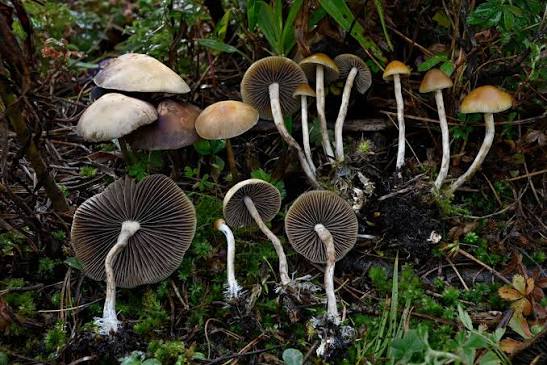
Psychedelic Mushroom, The term psychedelic mushroom refers to certain types of fungi that contain naturally occurring psychoactive compounds, particularly psilocybin and psilocin. These mushrooms have attracted attention throughout history because of their cultural significance, unusual psychological effects, and growing interest in scientific research.
Today, psychedelic mushrooms are discussed in connection with neuroscience, mental health research, traditional practices, and human consciousness. Understanding their properties, potential applications, and risks is important for anyone interested in learning more about this fascinating subject.
What Is a Psychedelic Mushroom?
A psychedelic mushroom is a type of fungus that contains compounds capable of changing perception, mood, thoughts, and sensory experiences. Psilocybin is converted into psilocin in the human body, where it interacts with serotonin receptors in the brain.
These interactions can influence how people experience their surroundings, emotions, memories, and thoughts. Effects vary significantly depending on individual biology, environment, and other factors.
History and Cultural Significance
Psychedelic mushrooms have a long history of traditional use in certain Indigenous communities, particularly in parts of Central and South America. Historical traditions have associated these fungi with spiritual ceremonies, cultural practices, and religious experiences.
In modern times, scientific researchers have become increasingly interested in understanding how psilocybin affects the brain and whether it may have applications in carefully supervised mental health research.
Potential Effects of Psychedelic Mushrooms
The effects of psychedelic mushrooms can differ from person to person. Reported experiences include:
- Changes in visual and sensory perception.
- Altered awareness of time and surroundings.
- Intense emotional experiences.
- Changes in thought patterns.
- Feelings of connection or introspection.
- Nausea, dizziness, or physical discomfort.
- Anxiety, confusion, or frightening experiences.
The intensity and duration of these effects can be unpredictable.
Scientific Research and Potential Benefits
Researchers are investigating psilocybin-assisted therapy for several mental health conditions. Early clinical research has explored its potential relevance to:
- Depression.
- Anxiety associated with serious illnesses.
- Certain substance-use disorders.
- Emotional well-being and psychological distress.
However, research is ongoing. These findings do not establish psychedelic mushrooms as a proven treatment or a replacement for approved medical care. Clinical applications require appropriate screening, professional supervision, and further evidence.
Safety Considerations and Possible Risks
Although psychedelic mushrooms occur naturally, natural substances are not automatically safe. Their use can involve significant risks.
Important considerations include:
- Psychological distress: Some experiences may involve panic, paranoia, or severe anxiety.
- Mental health concerns: People with certain psychiatric conditions may face increased risks.
- Physical reactions: Nausea, increased heart rate, and changes in blood pressure can occur.
- Misidentification: Some poisonous mushrooms resemble psychoactive varieties and can cause serious poisoning.
- Legal restrictions: Possession, sale, and use may be restricted or illegal depending on the country and region.
Anyone experiencing suspected mushroom poisoning should seek emergency medical assistance.
Psychedelic Mushrooms and Modern Neuroscience
Modern neuroscience has made psychedelic mushrooms an interesting subject of scientific investigation. Researchers are studying how psilocybin influences communication between different brain networks and how these changes may relate to perception, emotional processing, and consciousness.
This research may contribute to a better understanding of the human brain and new approaches to mental health treatment.
Conclusion
A psychedelic mushroom is more than simply an unusual type of fungus. It represents an important subject in cultural history, neuroscience, and modern scientific research. While researchers continue exploring potential therapeutic applications, understanding the psychological effects, health risks, and legal considerations remains essential.
